Minimum Energy Efficiency Standards (MEES)
Strategic EPC Risk Management & Compliance for Commercial and Domestic Landlords

What are MEES Regulations?
The Minimum Energy Efficiency Standards (MEES) make it legally unlawful for landlords to grant new tenancies or continue leasing privately rented properties that fall below a mandated Energy Performance Certificate (EPC) rating. First introduced to enforce a minimum baseline rating of E, the legislation is a critical piece of the UK’s statutory framework to drive down operational building emissions and hit Net-Zero targets.
While selling an underperforming property remains legally permissible, any purchaser intending to lease the asset out will instantly face the same structural MEES restrictions.
The Tighter MEES Timeline
The rules are getting stricter, and the dates are now fixed. Here is what changes and when.
Private rented homes — from 1 October 2030.
The minimum rating rises from E to C, across England and Wales, for every tenancy. There is no earlier deadline for new tenancies; government dropped that proposal. Fines rise to £30,000 per breachCommercial buildings over 1,000m² — from 2031.
The minimum rises to EPC B. Smaller non-domestic units stay at E for now.
How EPC Ratings Conflict Across Sectors
The underlying software methodology models domestic and non-domestic properties entirely differently:
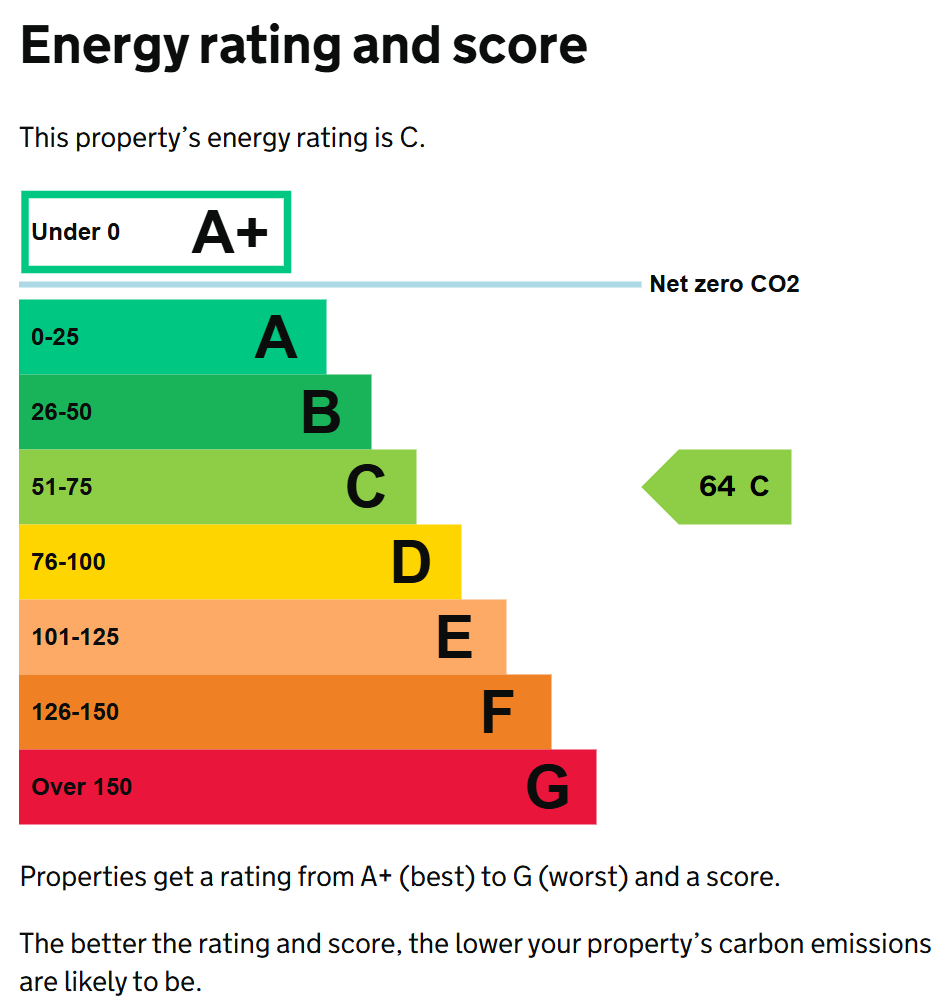
The two systems measure different things, and the scales run in opposite directions.
Commercial (SBEM or DSM): measures carbon emissions per square metre. Lower score is better — zero is an A.
Domestic (RdSAP or SAP): measures the estimated cost of running the home per square metre. Higher score is better — 100 is the top.
This catches people out on mixed-use buildings, where the same property can rate well on one scale and badly on the other.
Cost-Effectiveness & Flexibility Mechanisms
For underperforming properties requiring significant capital expenditure to comply, flexibility mechanisms exist to safeguard landlords from unviable investments.
The commercial seven-year payback test. You do not have to install a measure that will not pay for itself within seven years. If an accredited assessment shows the cost exceeds the energy savings over that period, you can register an exemption.
The Domestic £10,000 Cost Cap: For residential portfolios, once a landlord invests up to the statutory cap of £10,000 toward qualifying upgrades, they can legally log a 'cost cap' exemption to continue letting the asset.
Strategic Interventions Over Costly Insulation
A common misconception among commercial property managers is that meeting MEES targets automatically demands destructive fabric upgrades like secondary glazing or retrofitted roof insulation.
While a fabric-first approach is necessary for new builds, existing assets can often achieve compliance passes through less disruptive mechanical and electrical upgrades:
Retail Units: Deeply impacted by the specific efficacy and power density (W/m²) of the active sales floor lighting system.
Care Homes & Hotels: Highly vulnerable to space-heating fuel selections and bulk hot water generation/standing loss efficiencies.
Industrial & Leisure Assets: Reliant on mechanical ventilation specific fan powers (W/1/s) and localised plant configurations.
Up Energy has executed over 1,500 non-domestic EPC assessments. We work directly with landlords, pension funds, commercial agents, and asset advisors across the South West to build predictive energy models — safeguarding your portfolios against future building obsolescence.
Explore Our Specific Services
-
![Icon representing Energy Performance Certificate services]()
EPC
Required when a building is constructed, sold or let. Covering Devon, Cornwall, Somerset and beyond.
-
![Icon representing SAP Calculations]()
SAP Calculations
New build and conversion energy calculations for residential properties.
-
![Icon representing SBEM Calculations]()
SBEM Calculations
Commercial new build and conversion energy calculations.
-
![Icon representing Part O Overheating compliance]()
Part O — Overheating
Dynamic thermal modelling for residential overheating compliance.
-
![Icon representing Thermal Modelling]()
Thermal Modelling
Advanced building energy modelling including BREEAM, TM52, TM59 and ventilation.
-
![Icon representing ESOS compliance]()
ESOS
Lead Energy Assessor qualified audits for ESOS compliance.






Read our Google customer reviews

-
![Five star graphic from customer Google review of Up Energy Ltd.]()
"Simon at UpEnergy is very efficient and his service and speed is impeccable! Thank you, pleasure doing business!"
Abby Wardle – Energy assessment
-
![Five gold stars, indicating a five-star rating]()
"We had to obtain 39 EPC certificates for a student building and Up Energy carried out the whole certification process for us, efficiently and quickly and always keeping us well informed."
Jeffrey Seed – Student accommodation, Exeter
-
![Five star graphic from customer Google review of Up Energy Ltd.]()
"I have worked with Up Energy on several projects now and they have always delivered on time while being easy to work with. Their pro-active approach makes the production of energy calculations and final certification at the end of a project a simple process."
Tim Thompson – Repeat client, energy calculations and certification